Emissions standards play a crucial role in ensuring that vehicles on the road are not only safe but also environmentally compliant. In Texas, these standards are enforced through a combination of state legislation, regulatory oversight, and practical vehicle inspection processes. Understanding how these standards are implemented can provide valuable insights into the state's commitment to public health and environmental protection.
The Importance of Emission Standards
Emission standards are designed to limit the amount of harmful pollutants that vehicles can release into the atmosphere. These pollutants include volatile organic compounds (VOCs), nitrogen oxides (NOx), carbon monoxide (CO), and particulate matter. The ramifications of failing to control these emissions can be severe, contributing to air quality issues that affect public health and lead to environmental degradation. For Texas, where urban areas like Houston and Dallas struggle with air quality challenges, robust enforcement of emission standards is vital.
Legislative Framework
In Texas, emission standards are primarily governed by the Clean Air Act, which sets national benchmarks for air quality. The state has developed its own set of regulations to meet or exceed these federal requirements. This includes specific guidelines for vehicle emissions testing, particularly in regions identified as non-attainment areas—places where air quality does not meet federal standards.
The Texas Commission on Environmental Quality (TCEQ) plays a pivotal role in regulating emissions. It develops rules for vehicle inspections and monitors compliance across various counties. Their efforts are complemented by local agencies that help enforce these regulations at the ground level.
Vehicle Inspection Process
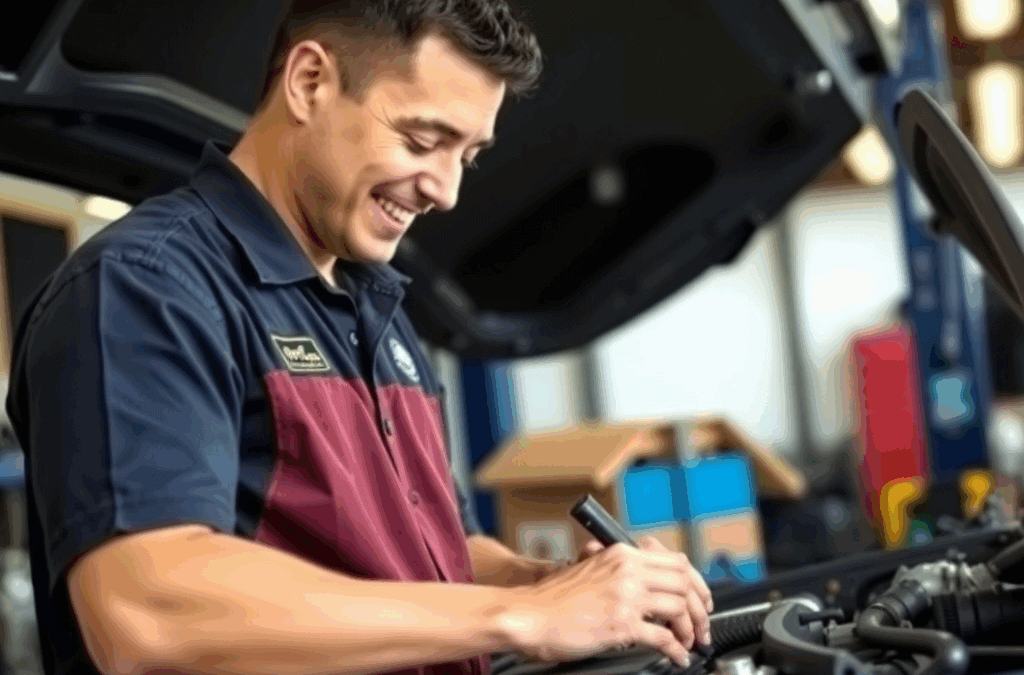
The vehicle inspection process in Texas is designed to ensure both safety and emissions compliance. When residents bring their cars in for a state inspection, they undergo a series of checks that include both safety features and emissions performance.
Types of Inspections
Safety Inspections: This involves checking critical systems such as brakes, lights, tires, and suspension components to ensure they function correctly.
Emissions Inspections: These tests measure exhaust emissions against established limits using specialized equipment. Vehicles must pass these tests before they can be registered or renewed.
Multi-Point Inspections: Some facilities offer comprehensive inspections that cover various aspects of vehicle health beyond just emissions or safety.
Specialized Inspections: Certain vehicles, like commercial trucks or diesel vehicles, may require additional inspections due to their unique operational profiles.
Pre-Trip and Post-Repair Inspections: Implemented mainly for commercial fleets, these inspections help ensure that vehicles remain compliant before hitting the road or after undergoing repairs.
Implementation Challenges
Despite having a well-defined framework for enforcing emission standards, Texas faces several challenges in implementation:
- Geographic Variability: Enforcement can vary significantly between urban centers and rural areas due to differences in available resources and population density. Resource Allocation: Limited funding for inspection facilities can lead to longer wait times and reduced access in some regions. Public Awareness: Educating vehicle owners about the importance of emissions compliance remains an ongoing challenge.
Role of Technology
Advancements in technology have transformed how emissions testing is Car safety inspection Whitehouse TX conducted in Texas. Modern inspection stations use sophisticated diagnostic tools that allow for more accurate measurements of vehicle emissions. These technologies enable inspectors to quickly identify non-compliant vehicles while reducing human error during testing processes.
Moreover, some states have begun experimenting with remote sensing technology which allows vehicles' emissions levels to be assessed without requiring them to stop at an inspection station—a potentially game-changing approach if adopted widely throughout Texas.
Compliance Incentives
To encourage compliance among vehicle owners, Texas has implemented various incentives:
- Financial Rebates: Programs exist that offer financial assistance for repairs aimed at reducing emissions on older vehicles. Education Initiatives: Campaigns aimed at informing citizens about how their choices impact air quality have gained traction. Inspection Waivers: In certain cases where repairs would exceed a set threshold cost relative to the vehicle's value, owners may receive waivers allowing them to continue driving their vehicles legally despite failing initial tests.
Community Involvement
Community engagement is essential when it comes to effective enforcement of diesel pre-trip inspection emission standards. Local governments often partner with organizations dedicated to improving air quality by hosting events aimed at raising awareness about pollution sources and encouraging participation in programs designed to reduce vehicular emissions.
For instance, initiatives promoting carpooling or public transport use have seen positive responses in urban areas facing severe congestion issues alongside poor air quality metrics. Engaging community members helps create a broader understanding of why compliance matters—not just from a regulatory perspective but also concerning public health outcomes.
Future Outlook
As climate change becomes an increasingly pressing issue globally—and locally—Texas will likely need to reevaluate its approach toward emission enforcement continually. While current frameworks address many concerns effectively today, evolving environmental science may necessitate stricter controls moving forward.
Policy discussions around transitioning towards electric vehicles (EVs) also come into play here; adapting infrastructure for EVs could dramatically lower overall vehicular emissions over time given advancements in battery technology and charging networks currently underway across the state.
Additionally, increased collaboration with neighboring states might yield benefits as they share resources or best practices regarding enforcement strategies—creating efficiencies while addressing shared challenges posed by transboundary pollution sources affecting multiple jurisdictions simultaneously.
Conclusion
Evaluating how emission standards are enforced within Texas reveals complexities shaped by legislative frameworks alongside practical implementation nuances faced daily across communities statewide—from bustling urban centers grappling with pollution levels exceeding health guidelines down through quieter rural routes where resources remain limited yet vital just as much.
Through ongoing efforts supporting transparency alongside technological innovation bolstering inspection accuracy coupled with heightened community engagement efforts—the path ahead holds promise not only for improved air quality but also enhanced public trust surrounding environmental governance trends shaping our collective future together on this fragile planet we call home.